The feverish media atmosphere generated by the potential Turkish invasion of northern Iraq is on its way to reaching almost Cuban Missile Crisis proportions. Even Prime Minister Erdoğan has chastised certain Turkish media outlets for the manner in which they have covered the events of the past week. Having sold a lot of newspapers due to the most recent deaths and abduction of many out-numbered Turkish conscripts, there is little doubt that this type of media coverage will continue to carry the legacy of William Randolph Hearst for at least another few weeks.
It is the ambition of this observer to approach the question of a possible Turkish assault on N. Iraq in a way that touches on a number of factors and possible scenarios, which will undoubtedly influence the decisions made in the very near future. In addition, two recently published pieces about the potential Turkish invasion by Abdul Rahman Al-Rashed, the general manager of Al-Arabiya television, and by Gareth Jenkins of the Jamestown Foundation offer a number of very compelling insights for consideration.
 Military: Television images of green Turkish military trucks rolling towards the border and comments by the BBC that, "Turkey has deployed up to 100,000 soldiers, backed by tanks, fighter jets and helicopters, along the border" are somewhat meaningless; it is very seldom that the Turkish military is not massing at the border with Iraq. It is likely that this most recent heavy military buildup began at the end of spring 2007 and has been reported in the media to have escalated at different times in response to PKK activity. As the saga of Abdullah Ocalan's pursuit and ultimate capture demonstrates, the Turkish military has had success in the past with bullying its neighbors (in that case Syria) by projecting military strength on their borders.
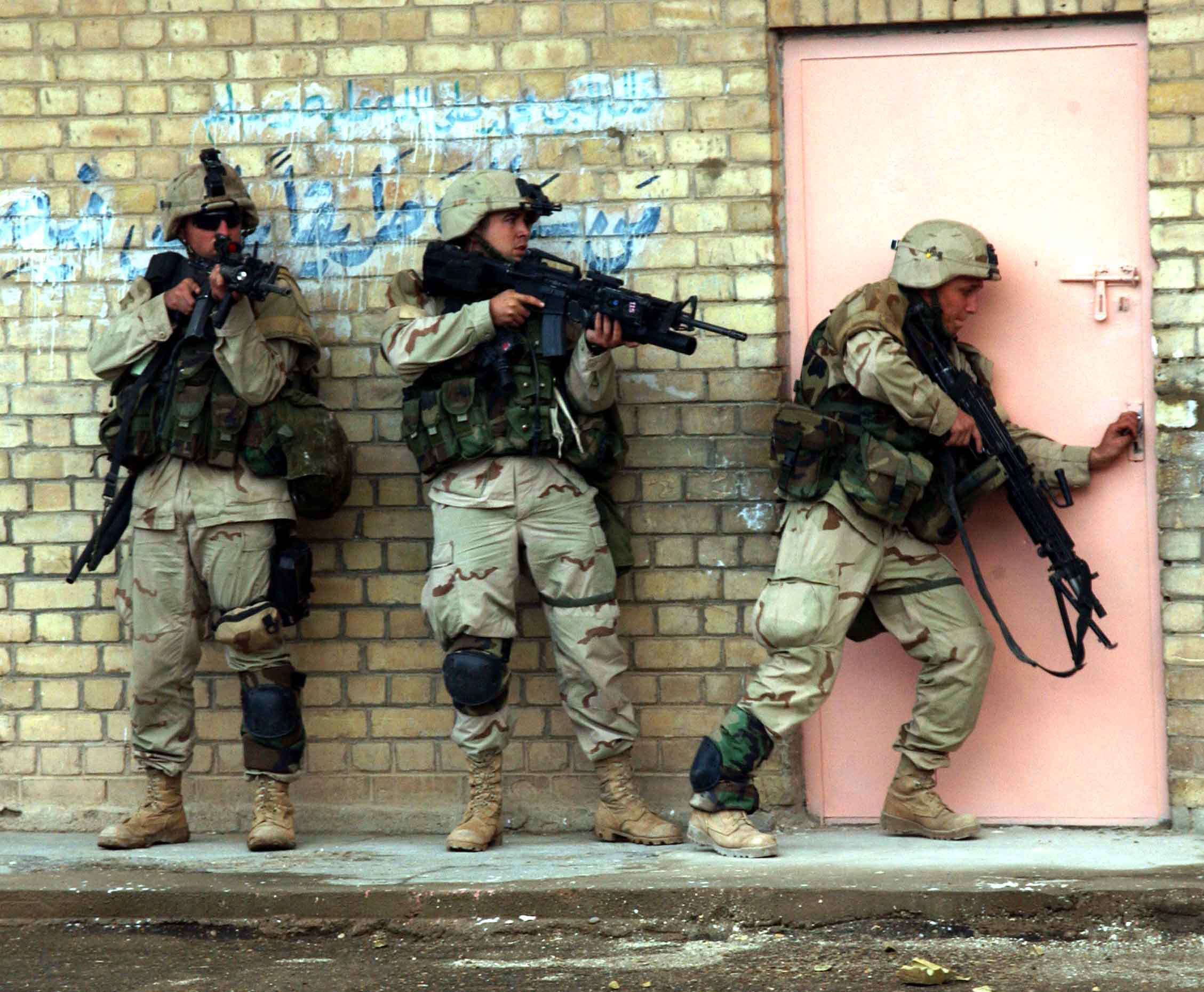 Unless they are completely gripped by hubris, General Büyükanıt and friends must have learned something from the US military's haunting experience in Iraq and even the Israeli army's most recent foray into southern Lebanon. With these two events in mind, it appears highly unlikely that the Turkish military could deal an enduring tactical blow to a very evasive and malleable guerrilla foe like the PKK. At the very least, the PKK can go underground in order to fight another day.
Furthermore, prime minister Erdoğan must be very careful about the expectations he defines for any type of military venture. As George Bush has demonstrated over the course of his tumultuous tenure as president, the military expectations of the public can have serious political repercussions when deaths and casualties mount.
Northern Iraq, domestic: A significant percentage of Kurds have probably disassociated the PKK from the struggle for an independent Kurdistan. Nevertheless, the PKK still possesses a great historical legacy that includes funding-ties to governments and organizations, who traditionally oppose Turkey. Indeed, the PKK has been of great help to Iran and Syria in destabilizing Turkey and it is widely argued that the likes of Greece and Armenia have supported the PKK in the past. It is therefore little wonder that the relatively new Kurdistan Regional Government (KRG) has never appeared to have the ability to dislodge a political dinosaur like the PKK.
While the KRG and others are probably more widely associated with the fight for an independent Kurdish state at this time, a Turkish invasion of northern Iraq would probably blur this distinction. The presence of Turkish troops on Iraqi soil would likely increase sympathy among Kurds for the PKK cause. Assuming the Iraqi government in Baghdad proves incapable of providing any support, which would most likely be the case due to their current level of frailty, the Kurds in N. Iraq would gain even more resolve to pursue their own state in order to better protect their interests.
 Turkey, domestic: An invasion of Iraq would almost certainly cause a very sharp rise in PKK sympathies among the large numbers of economically marginalized Kurds living both in the east of Turkey as well as the larger numbers living in Turkey's western cities. This is a particularly scary thought if viewed in the context of the rising popularity of neo-fascist and nationalistic groups, which was most recently evidenced by the MHP gaining ground in the July parliamentary election. The AKP was a surprisingly popular choice of the Kurdish vote in July, and neither Erdoğan nor Gül would want to compromise this vote or give the country's right-wing any more reason to disrupt the social peace.
Conclusion: In the view of this observer, the numerous big-picture issues strongly rival the more widely-reported short-term political reasoning for a full-scale military assault in northern Iraq. An invasion would most likely further destabilize Iraq. It would furthermore cause social and political unrest within Turkey, which would not bode well for the political fortunes of the AKP. It is for this reason that such a large-scale invasion is quite unlikely. Like Gareth Jenkins, I believe it is much more realistic that there will be narrowly-focused commando raids and aerial strikes, if anything at all. This approach ultimately represents the safer political course for Turkey's political leadership.